
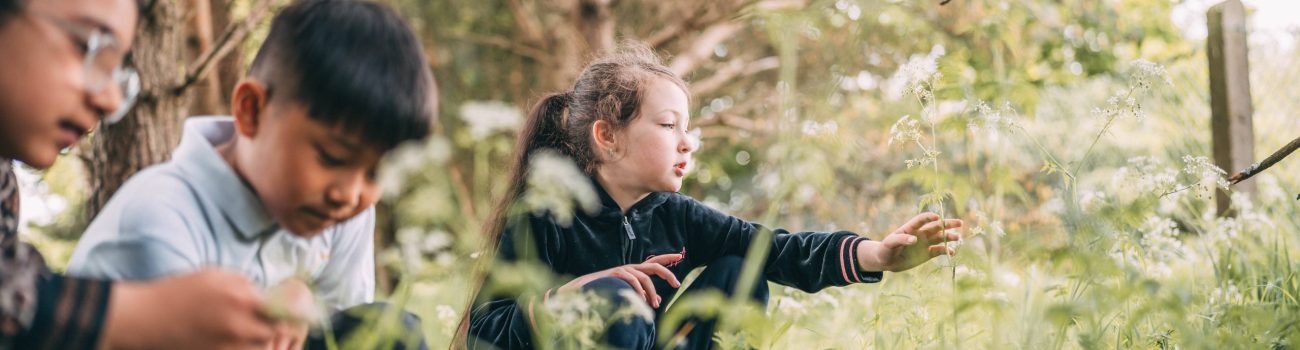
Welcome to Year 2
Hazel Class – Miss Britton
Blossom Class – Miss Jowett
YEAR 2 – HELPING YOUR CHILD AT HOME
Small things every day make a BIG difference.
There are lots of simple ways you can support your child’s learning at home. Little and often is best — learning should be enjoyable and part of everyday family life.
Raving Readers -READ EVERY DAY
Aim for 10–15 minutes every day.
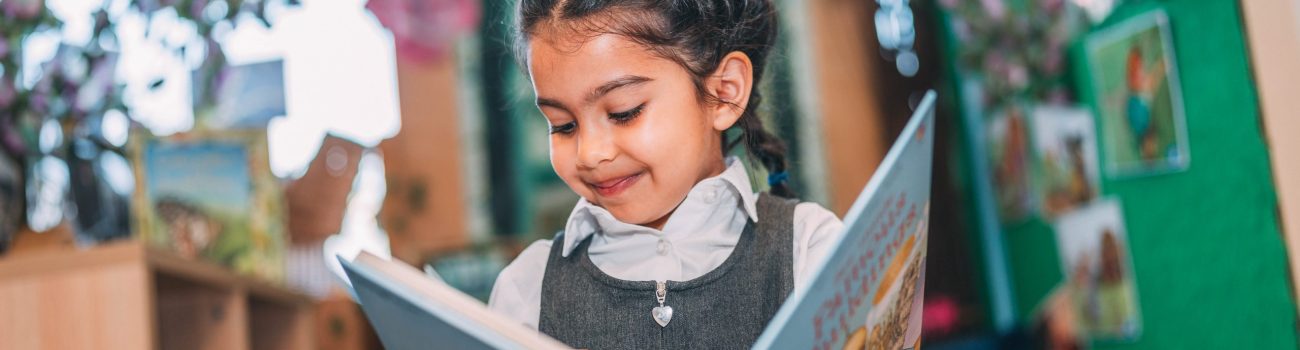
Listen to your child read their school reading book.
Encourage them to read unfamiliar words carefully.
Ask questions about what they have read:
What has happened so far?
Why did the character do that?
How do you know?
What might happen next?
Ask your child to explain the meaning of new words.
Encourage them to find information in the text.
Continue to read stories aloud to your child. Hearing fluent reading and rich vocabulary is extremely valuable.
PHONICS, SPELLING & WRITING
Practise your child’s weekly spellings and Year 2 common exception words.
Practise phonics sounds and spelling patterns.
Encourage your child to spell words independently using their phonics knowledge.
Practise writing complete sentences.
Encourage:
Capital letters
Finger spaces
Full stops
Correct spelling
Neat, joined handwriting where appropriate
Ask your child to write for different purposes — shopping lists, postcards, stories, diary entries or instructions.
HAVE FUN WITH MATHS
Make maths part of everyday life!
Count forwards and backwards in 1s, 2s, 5s and 10s.
Practise the 2, 5 and 10 times tables.
Practise sharing objects into equal groups.
Practise addition and subtraction facts within 20.
Ask: “What is 10 more than 36?” or “What is 5 less than 42?”
Encourage your child to explain how they worked out an answer.
Practise recognising coins and notes and finding totals.
Practise telling the time to the hour, half-hour, quarter-hour and 5-minute intervals.
Cook together and practise weighing and measuring.
Spot and name 2D and 3D shapes.
TALK, TALK, TALK!
Every conversation helps develop vocabulary and understanding.
Talk about your child’s day and what they have learned.
Ask questions that encourage thinking and explaining.
Introduce new vocabulary and encourage your child to use it.
Encourage your child to explain why they think something.
Talk about books, television programmes, news and things happening around them.
LEARN THROUGH EVERYDAY LIFE
- Learning doesn’t have to look like school!
- Shopping: Add prices together, count money and work out change.
- Cooking: Read instructions, measure ingredients and talk about time.
- Days out: Read signs, maps and information boards.
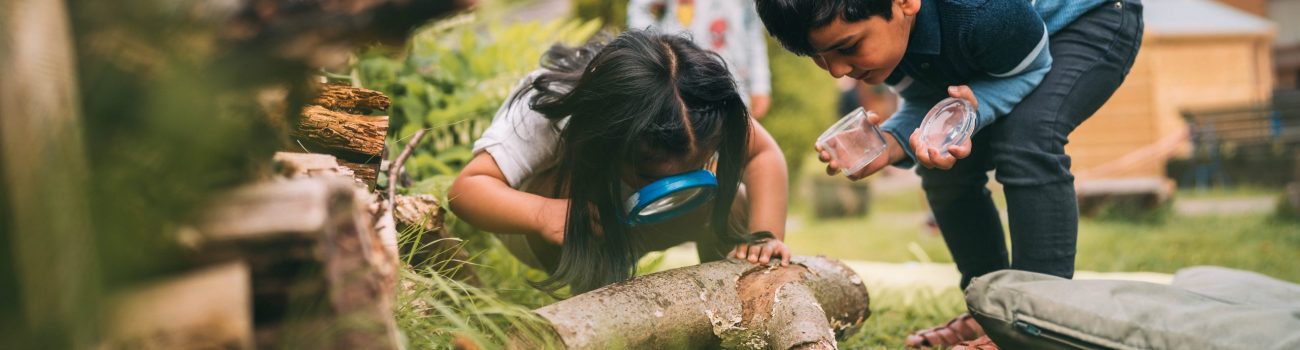
- Nature walks: Look carefully at plants, animals and seasonal changes.
- At home: Sort objects, organise toys, help with laundry and follow simple instructions.
- Writing: Write shopping lists, birthday cards, stories, messages and postcards.
- Independence: Encourage your child to organise their belongings, get dressed, tidy up and take responsibility for simple jobs.
MOST IMPORTANTLY…
Praise effort, perseverance and improvement — not just getting the right answer.
Ask questions, listen carefully and celebrate your child’s achievements.
A FEW MINUTES EVERY DAY CAN MAKE A HUGE DIFFERENCE
10–15 minutes reading
A few minutes of spelling/phonics
Some fun maths or times tables
Lots of talking and sharing ideas
Thank you for supporting your child’s learning at home.