

Welcome to Year 3
Rowan Class – Miss Ahmed
Pine Class – Miss Ali
HELPING YOUR CHILD AT HOME
Small things every day make a BIG difference.
Year 3 is an exciting time as children become more independent learners. There are lots of simple ways you can support your child’s learning at home without it feeling like homework.
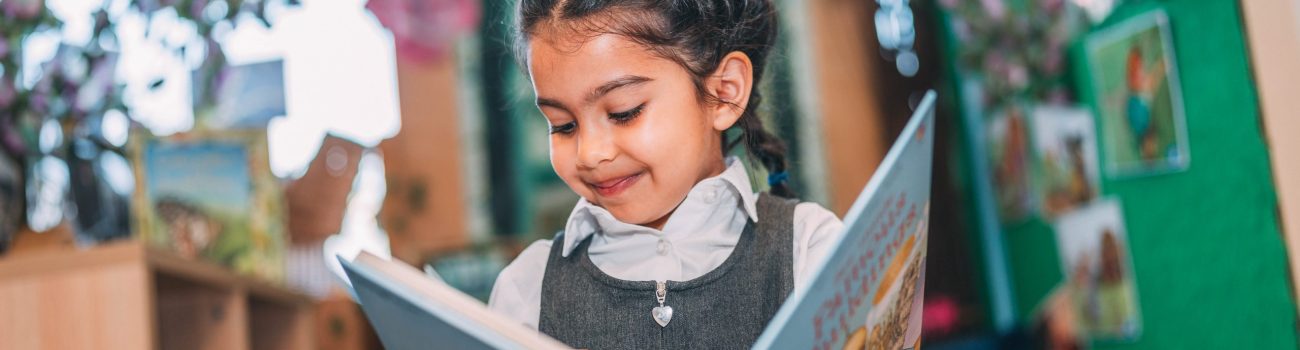
READ EVERY DAY
Aim for 15–20 minutes every day.
Listen to your child read and encourage them to read with expression and fluency.
Ask questions about what they have read:
- What has happened so far?
- Why did the character do that?
- How do you know?
- What might happen next?
- Can you find evidence in the text?
- Ask your child to explain unfamiliar words.
- Encourage them to use new vocabulary in their own sentences.
- Read a variety of books, including fiction, non-fiction, poetry and comics.
Continue to read aloud to your child — even when they can read independently.
SPELLING & WRITING
Practise your child’s weekly spellings little and often.
Practise the Year 3/4 common exception words.
Look for spelling patterns and discuss why words are spelt in particular ways.
Encourage your child to use a dictionary when appropriate.
Ask your child to write for different purposes — letters, stories, diary entries, instructions and fact files.
Encourage accurate use of capital letters, full stops, commas, apostrophes and speech marks.
Encourage your child to use interesting vocabulary and different sentence structures.
Practise handwriting and presentation.
National Curriculum Spelling guidance
HAVE FUN WITH MATHS
Times tables are particularly important in Year 3.
Practise the 2, 3, 4, 5, 8 and 10 times tables.
Practise the matching division facts.
Count forwards and backwards in different multiples.
Practise mental addition and subtraction.
Give your child simple problems to solve and ask them to explain how they worked it out.
Use shopping to practise adding prices and finding change.
Practise telling the time, including 5-minute intervals.
Cook together and practise measuring, weighing and estimating.
Look for opportunities to measure length, height and distance.
Identify and describe shapes around the home.
Create simple tables or charts using information you have collected.
TALK, TALK, TALK!
- Talking helps children become better readers, writers and thinkers.
- Ask your child about their school day.
- Encourage them to explain their ideas clearly.
- Ask “How do you know?”, “Why?” and “Can you explain your thinking?”
- Introduce new words and encourage your child to use them.
- Discuss books, television programmes, current events and things happening in the world.
- Encourage your child to listen carefully and take turns in conversations.
LEARN THROUGH EVERYDAY LIFE
Learning can happen anywhere.
Shopping: Work out totals, calculate change and compare prices.
Cooking: Read recipes, measure ingredients and calculate cooking times.
Days out: Read signs, maps and information boards.
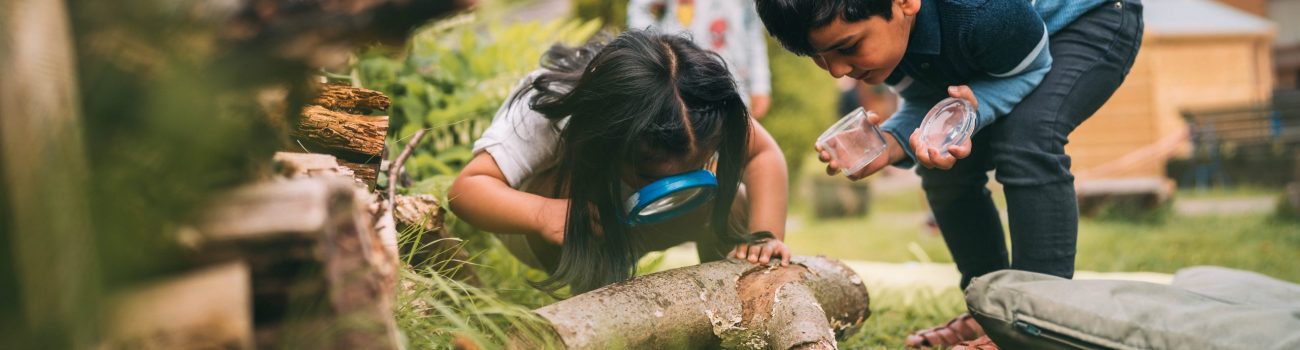
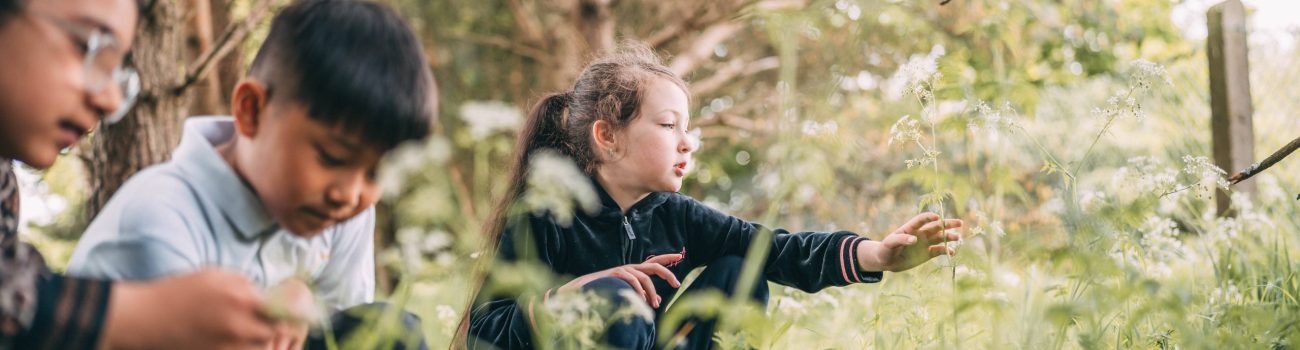
Nature walks: Identify plants, animals, rocks and changes in the environment.
At home: Sort, organise, measure and count everyday objects.
Writing: Encourage your child to write shopping lists, letters, stories, reviews and messages.
Independence: Encourage your child to organise their school bag, look after belongings and take responsibility for simple jobs around the home.
CAN YOUR CHILD…?
Use this as a quick checklist to see which skills your child can practise at home:
☐ Read independently and talk about what they have read.
☐ Explain the meaning of unfamiliar words.
☐ Find information and evidence in a text.
☐ Spell common Year 3/4 words and use spelling patterns.
☐ Write a paragraph independently using accurate punctuation.
☐ Use a dictionary to find a word.
☐ Recall their 2, 3, 4, 5, 8 and 10 times tables.
☐ Recall the related division facts.
☐ Solve simple addition and subtraction problems mentally.
☐ Explain how they worked out a maths answer.
☐ Tell the time to the nearest 5 minutes.
☐ Use money, measuring and weighing in everyday situations.
☐ Work independently and take responsibility for their belongings and tasks.
MOST IMPORTANTLY…
Praise effort, perseverance and independence — not just getting the right answer.
Encourage your child to have a go, make mistakes and try again.
A FEW MINUTES EVERY DAY CAN MAKE A HUGE DIFFERENCE
15–20 minutes reading
A few minutes of spelling
Regular times-table practice
Some fun maths
Lots of talking, questioning and sharing ideas
Thank you for supporting your child’s learning at home.